
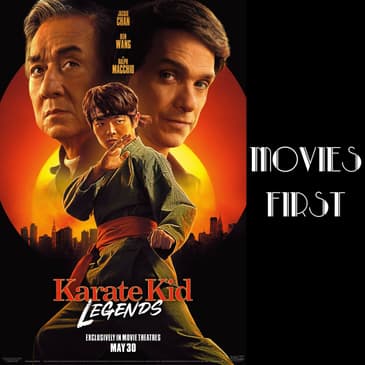
At the heart of this evolution are standout performances from Jackie Quinn as the wise Mr. Han and Ralph Macchio reprising his role as Daniel LaRusso. Their dynamic showcases a perfect balance of martial arts philosophies, with Chan’s energy at 70 years old proving that age is no barrier to excellence. We delve into the character of Li Fang, played by Ben Wang, who faces not only the typical challenges of a young martial artist but also profound themes of loss and cultural identity, making the story resonate with contemporary audiences.
The film artfully weaves in complex relationships, such as that between Li and his mother, Dr. Fong, and a Romeo and Juliet subplot that adds layers of cultural nuance. The chemistry between Ben Wang and Sadie Stanley feels authentic, enhancing the emotional stakes tied to the Five Boroughs Martial Arts competition, which is steeped in family honor and redemption.
With a commendable score of 7 out of 10, this installment honors the legacy of its predecessors while pushing the franchise forward. We discuss how the training sequences highlight the distinct martial arts styles and how each fight scene not only serves the action but also reveals character growth. The film avoids stereotypes, presenting a rich tapestry of traditions that illustrates the harmony between different martial arts philosophies.
Join us as we dissect how this film manages to balance nostalgia with innovation, setting a new standard for legacy franchises while reminding us that the essence of storytelling can evolve with the times.
https://www.bitesz.com/podcast/movies-first
Become a supporter of this podcast: https://www.spreaker.com/podcast/movies-first
To access the Movies First reviews archive visit our website at www.bitesz.com/podcast/movies-first
[00:00:00] The Karate Kid franchise has generated over $700 million worldwide since 1984, but this latest installment might be the most culturally significant yet, blending Eastern and Western martial arts traditions in a way we've never seen before. That's fascinating how they've managed to evolve the franchise while keeping its core appeal. The way they've integrated both karate and kung fu really expands the scope.
[00:00:25] Well, what's really interesting is how they've built this cross-cultural bridge through the casting. You've got Jackie Chan, who at 70 years old still brings this incredible energy to Mr. Han, alongside Ralph Macchio's Daniel LaRusso. The combination creates this perfect balance of different martial arts philosophies. Speaking of Jackie Chan, his involvement really elevates the whole production. The way he brings his signature style while maintaining the gravitas of the mentor role is pretty remarkable.
[00:00:56] You know what's particularly compelling about this version? The way they've layered in contemporary themes. Ben Wang's character, Li Fong, isn't just dealing with bullies in tournaments. He's processing the loss of his brother, navigating cultural identity, and trying to honor both his family's traditions and his own path. That's exactly what makes this story feel so relevant today. How do you think they managed to make these heavier themes work within the classic Karate Kid formula?
[00:01:26] Well, it's all in how they've woven these elements together. Take the relationship between Li and his mother, Dr. Fong. It's this complex dance between respecting traditional values and embracing change. Then, you've got the Romeo and Juliet subplot with Mia Lapani that adds another layer of cultural complexity. Speaking of which, the chemistry between Ben Wang and Sadie Stanley really helps sell that relationship.
[00:01:54] Their connection feels authentic rather than forced. And let's talk about how they've updated the stakes. The Five Burrows martial arts competition isn't just about winning a trophy. It's tied to this whole subplot about Mia's father's gambling debts, family honor, and personal redemption. The way they've interconnected these storylines makes even the predictable moments feel fresh. That's precisely why the fight sequences land so effectively.
[00:02:23] They're carrying all this emotional weight beyond just the physical competition. You know, what's really impressive is how they've managed to honor the legacy while pushing the franchise forward. The training sequences show such attention to detail in distinguishing between different martial arts styles. And having both Mr. Han and Daniel LaRusso as mentors creates this beautiful synthesis of traditions. Let me point out how well they've balanced the action with character development.
[00:02:52] Each fight scene reveals something new about these characters? Exactly. And Aramis Knight's portrayal of Connor adds this genuine sense of threat that elevates the stakes. He's not just a one-dimensional villain. There's a real menace there that makes Lee's journey more compelling. Well, that's what makes these kinds of stories timeless, isn't it? When the conflict feels real and the character growth feels earned.
[00:03:17] Speaking of timeless elements, the way they've handled the cultural aspects deserves special mention. Instead of falling into stereotypes, they've created this rich tapestry of traditions that shows how different martial arts philosophies can complement each other. It's like watching a masterclass in cultural integration. That's such an important point about representation and authenticity in modern storytelling. And here's what really makes this version stand out.
[00:03:44] It understands that, while the basic structure of an underdog story might be familiar, it's the specific details and emotional truth that make it resonate. The way they've incorporated modern elements while maintaining the spirit of the original is really quite remarkable. Well, it sounds like they've found that sweet spot between nostalgia and innovation. Looking toward the future, this could really set a new standard for how legacy franchises evolve.
[00:04:12] It's not just about recreating what worked before. It's about understanding why it worked and finding new ways to make those themes relevant for today's audience. That's exactly the kind of thoughtful approach that keeps these beloved properties alive and meaningful for new generations. And ultimately, that's what makes this movie so special. It reminds us that some stories are universal, but the way we tell them can always grow and change with the times.
[00:04:40] It's not just about learning to fight. It's about finding your place in an increasingly complex world. Score-wise, we're giving this one a solid 7 out of 10. You've been listening to Movies First. Available at Apple Podcasts, Spotify, iHeartRadio, or your favorite podcast player. You can also stream on demand at Bytes.com. This has been another quality podcast production from Bytes.com.