
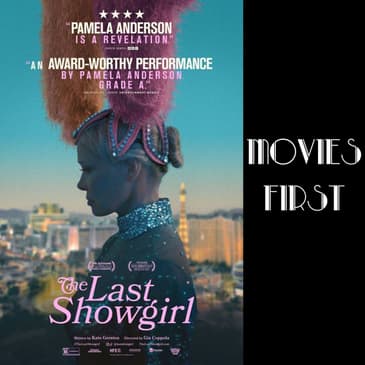
In this evocative episode of Movies First, hosts Chris and Jessica delves into the poignant film The Last Showgirl, which captures the fading glamour of Las Vegas showgirls in a world that seems to be moving on without them. With only a mere 2% of the original shows still running, the film tells the story of Shelley, a 57-year-old performer who clings to her place in the spotlight. Alex discusses the intriguing choice of Pamela Anderson for the role, noting how her personal experiences mirror Shelley’s journey through the complexities of aging in the entertainment industry. The episode highlights the film's raw portrayal of the physical and emotional toll of a showgirl's career, contrasting Shelley’s long tenure with the choices of her peers, like Jamie Lee Curtis's character Annette, who left the stage for a more stable life. The mother-daughter relationship between Shelley and her daughter Hannah serves as a powerful narrative thread, illustrating the personal costs of a life dedicated to performance. Alex also explores the film's technical aspects, from the gritty cinematography that reveals the underbelly of Vegas to the striking music that bridges classic and contemporary entertainment. The conversation touches on the broader implications of the film, reflecting on the swift changes in the entertainment landscape and the universal fear of obsolescence that resonates with audiences from all walks of life. Join Alex for a thoughtful discussion that examines not only the decline of a vibrant art form but also the human stories at its heart, reminding us of the delicate balance between preserving tradition and embracing progress.
Highlights:
- Authentic Performance: Pamela Anderson’s portrayal of Shelley adds a meta layer to the film, reflecting her own experiences in the industry.
- Interpersonal Dynamics: The strained relationship between Shelley and her daughter Hannah illustrates the personal sacrifices made in pursuit of a career.
- Cinematic Techniques: The unique cinematography captures the beauty and decay of Las Vegas, enhancing the film's emotional impact.
Tune in for an insightful exploration of The Last Showgirl, a film that not only mourns the loss of an era but also questions the future of entertainment and the cost of progress. For more film reviews and discussions, subscribe to Movies First on your favorite podcast platform! https://www.bitesz.com/podcast/movies-first
Become a supporter of this podcast: https://www.spreaker.com/podcast/movies-first--2648009/support.
Episode Transcript
Las Vegas showgirls face extinction with only 2% of original shows still running
Chris: Las Vegas showgirls, once the glittering symbol of entertainment excess, are now facing extinction faster than polar bears. With only 2% of the original shows still running compared to Vegas's golden age. Today we're exploring a film that captures this vanishing world in all its rhinestone glory.
Jessica: That decline really hits home in this story about Shelley, a 57 year old performer still holding onto her place in la Razzle Dazzle. It's fascinating how they chose Pamela Anderson for this role.
Chris: You know what's remarkable about Anderson's performance? She brings such authenticity to Shelley. Here's someone who, like Anderson herself, has navigated the complex waters of being both celebrated and dismissed by the entertainment industry.
Jessica: The parallel between actor and character adds this whole meta layer to the story, doesn't it? Both women dealing with how society views aging performers.
The average career span of a Vegas showgirl used to be 15 years
Chris: And speaking of authenticity, the film doesn't shy away from showing the harsh realities. The average career span of a Vegas showgirl used to be 15 years, but Shelly's been at it for nearly three decades. That's like being a professional athlete well into their 50s.
Jessica: Hmm. That physical toll must be enormous. How do they address that aspect in the film?
Chris: Well, they weave it throughout, from the way Shelly moves in the morning to those quiet moments in the dressing room. But what's really interesting is how they contrast her with Jamie Lee Curtis's character, Annette, who left the show six years ago to become a cocktail waitress.
Jessica: That's such a clever way to show the different paths these women take when the spotlight starts to dim.
Chris: The relationship between Shelley and her daughter Hannah really drives home the personal cost. You know, studies show that nearly 60% of entertainment industry professionals report significant strain on family relationships. And we see that play out in their strained dynamic.
Jessica: The way they handle that mother daughter relationship feels so raw and honest. It's not just about career choices, but the ripple effects those decisions have across generations.
Chris: Dave Bautista's character Eddie adds another fascinating layer. This gentle giant who manages the show. The way they handle their unspoken history reminds me of those classic Hollywood romances, but with a much grittier, more realistic edge.
Jessica: And the technical aspects really reinforce that gritty realism, don't they? The cinematography makes Vegas look so different from what we usually see, right Autumn.
Chris: Derald Arkhipa shot this right after doing Black Panther Wakanda Forever. And she brings this incredible eye for showing the wear beneath the glamour. It's like seeing Vegas through a cracked mirror. Still beautiful, but definitely broken.
Jessica: The music choices are particularly striking too. Andrew Wyatt's original numbers somehow managed to bridge that gap between classic Vegas and contemporary entertainment.
Chris: You know what's fascinating? The film captures this massive shift in Vegas Entertainment. Since 2000, traditional showgirl productions have been replaced by Cirque du Soleil style shows at a rate of about one per year. It's like watching an entire ecosystem collapse in slow motion.
Jessica: That really comes through in how they portray the younger characters. Kiernan Shipka's naive 19 year old Jody vs. Brenda song's more pragmatic Mary Ann.
Chris: And what makes this story so universal is how it taps into that fear of obsolescence. Whether you're a showgirl or a factory worker or even a podcast host, everyone can relate to wondering if their skills will still matter tomorrow.
Jessica: The way they balance all these elements. Personal drama, cultural shift, relationships. It never feels heavy handed or melodramatic.
Chris: That's what makes this film so powerful. It's showing us the end of an era through such an intimate lens. When Shelley says she won't do what she calls the bump and grind of new shows, it's about more than just dancing. It's about maintaining dignity in a world that's moving on without you.
The Last Showgirl is a warning about how quickly cultural institutions can vanish
Jessica: So what do you think this film tells us about the future of entertainment?
Chris: Well, it's really a warning about how quickly cultural institutions can vanish. In the same way that silent film stars had to adapt to talkies or vaudeville performers had to transition to radio, we are watching another entertainment evolution in real time. The question isn't just about showgirls. It's about how we preserve art forms while still embracing progress.
Jessica: That's such a thoughtful way to look at it. It's not just mourning what's lost, but questioning what we're gaining or losing in the process.
Chris: And that's ultimately what makes the Last Showgirl so compelling. It's not just about the death of a show. It's about the human cost of progress. Sometimes the most powerful stories are the ones that show us what we're leaving behind as we rush toward the future.