
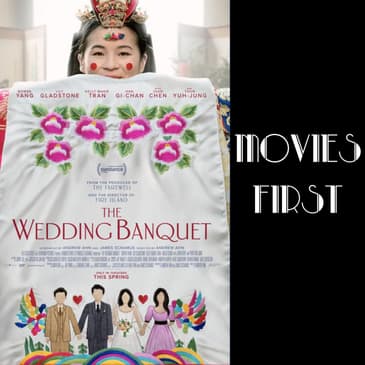
The performances are nothing short of exceptional, with Han Gi Chan as Min capturing the weight of his family's legacy and Bowen Yang as Chris delving into deeper commitment issues that resonate with many. Yeon Yujung shines as Ja Young, the grandmother, bringing depth and humor to her evolving character, while Joan Chen as May adds another layer of complexity to the narrative. The film's ability to balance heavy societal themes—such as immigration policy and reproductive rights—with genuine humor makes it a standout.
The evolution of the original story highlights the progress we've made, yet it also serves as a poignant reminder of the challenges that persist. With an impressive score of 8 out of 10, *The Wedding Banquet* resonates deeply with audiences, showcasing the intricacies of family dynamics and the importance of both chosen and biological connections. Join us for a thoughtful discussion on how this film reflects contemporary issues while remaining accessible and engaging, proving that the essence of family is always worth fighting for!
https://www.bitesz.com/podcast/movies-first
Become a supporter of this podcast: https://www.spreaker.com/podcast/movies-first
To access the Movies First reviews archive visit our website at www.bitesz.com/podcast/movies-first
Marriage, family, and cultural identity. These themes have been explored countless times in film, but The Wedding Banquet completely transforms our understanding of modern relationships by weaving together IVF struggles, immigration challenges, and traditional family values into something entirely unexpected. The timing of this remake feels particularly relevant, especially considering how it updates Ang Lee's nineteen ninety three original for our current social climate. You know what's fascinating about the structure, the way they've created this intricate web connecting four main characters, Angela and Lee trying desperately for a baby through IVF, while Men and Chris navigate this complex maze of visa issues and family expectations. And the performances really bring these struggles to life. Kelly, Marie Tran and Lily Gladstone as Angela and Lee. Their chemistry makes you feel every failed IVF attempt, every financial strain. Speaking of Performancesngi Chan captures something really special as Men. Here's this air to a Korean multinational company trying to balance his grandmother's expectations with his own desires. The pressure feels so real, doesn't it. Well, that's exactly what makes Bowen Yang's portrayal of Chris so compelling. The way he handles those commitment issues goes way beyond just fear of marriage. And then there's Yan Yu Jung as Ja Jung the grandmother, who, oh my goodness, completely steals every scene she's in the way her character evolves from this traditional businesswoman to someone questioning her own assumptions. It's just masterful. The transformation of that simple green card wedding into this massive spectacle really shows how family dynamics can spiral, doesn't it. Absolutely right? And Joan Chenna's may adds this whole other layer of complexity. You know, it's interesting how the film tackles these huge societal issues, immigration policy, productive rights, cultural identity, but always keeps it grounded in these very personal stories. The way they balance those heavy themes with genuine humor is really impressive. Even in the most intense moments, there's room for authentic laughter. That's what makes the IVF storyline so powerful. It's not just about the medical procedures or the money. It's about identity and what makes a family and the way Lee's desperate desire for a child conflicts with Angela's uncertainty that feels. So real, and the relationship between Chris and his cousin Kendall shows how chosen family can be just as important as biological connections. You know what's really striking how they handle the grandfather's traditional values without making him a villain. Instead, they show how his expectations have created this ripple effect through generations. It's so much more nuanced than we usually see. The evolution from the nineteen ninety three version really highlights how far we've come. It also reminds us how precarious progress can. Be, and that's what makes this film so relevant right now. It's holding up a mirror to our current moment while telling this deeply personal story. The way Men's immigration struggles intersect with his family obligations and personal life, it's like watching a masterclass in storytelling. So what do you think makes this version resonate so strongly with audiences that eight out of ten ratings suggests they've really struck a chord. Well, I think it's because they've managed to create something that feels both timely and timeless. Every character gets their moment to be fully human with all their complications and contradictions. Plus the dialogue just sparkles. It's natural but meaningful, funny, but never at the expense of the serious themes. The wedding preparations really bring all these elements together beautifully. Tradition, family, love, obligation, and sometimes looking ahead. I think this film is going to be remembered as a turning point in how we tell stories about modern families. It shows that you can tackle complex social issues while still creating something warm, entertaining and genuinely moving. And it proves there's definitely an audience for stories that don't shy away from complexity while still remaining accessible and engaging. You know, in the end, what makes the Wedding Banquet so special is how it reminds us that family, whether chosen or biological, is always complicated, always evolving, and always worth fighting for it. You've been listening to movies first available at Apple Podcasts, Spotify, iHeart Radio, or your favorite podcast player. You can also stream on demand at bytes dot com. This has been another quantity podcast production from nights dot com.