
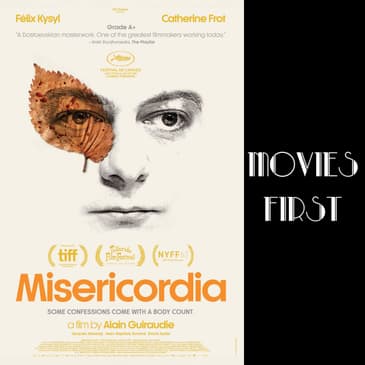
The narrative centers around Jeremy Pastor, portrayed with poignant restraint by Felix Keisel, who returns for the funeral and finds himself entangled in the web of his past connections, particularly with Jean Pierre’s widow, Martine, played with heartfelt empathy by Catherine Frow. Their reunion is contrasted sharply by the hostility of Martine's son, Vincent, whose intense portrayal by Jean Baptiste Durand hints at unresolved conflicts that simmer beneath the surface.
As the story unfolds, the village itself emerges as a character, revealing modern tensions beneath its rustic charm, symbolized by the residents' shared passion for foraging wild porcini mushrooms. This motif serves as a metaphor for the hidden treasures and dangers lurking within their seemingly simple lives. The unexpected rekindling of Jeremy's friendship with Walter Bonchamp, played by David Ayala, adds further intrigue, suggesting deeper, unexplored connections that the film gradually unveils.
Director Alan Giraudi expertly crafts a narrative that challenges conventional morality, using the escalating confrontations between Vincent and Jeremy to involve the entire village in their conflict. The film's title, *Misericordia*, meaning mercy, gains significance as tensions ripple through the community, forcing characters to confront their desires and prejudices.
Listeners will appreciate the film's sophisticated handling of character interactions, where even silence speaks volumes through subtle glances and expressions. The cinematography captures the charm of rural French life while emphasizing the psychological conflicts at play, creating a compelling dynamic between tradition and modernity.
With a well-deserved score of 8 out of 10, *Misericordia* offers a profound exploration of human nature, community, and the complexities of truth. Join us for a captivating discussion that promises to illuminate the rich narrative tapestry of this remarkable film!
https://www.bitesz.com/podcast/movies-first
Become a supporter of this podcast: https://www.spreaker.com/podcast/movies-first
To access the Movies First reviews archive visit our website at www.bitesz.com/podcast/movies-first
In the atmospheric French film Misericordia, a small village becomes the stage for a compelling psychological drama that begins with the death of Jean Pierre Rigal, the beloved local baker, in his early sixties. This event triggers a chain of revelations that exposed the complex relationships and hidden tensions within the tight knit community, where residents share a peculiar tendency to stay awake through the night five four three two one. This is Movies First with Alex First. The story's catalyst is Jeremy Pastor, portrayed with measured restraint by Felix Kaisel, who returns to his childhood village for the funeral. As a former employee of the deceased baker, Jeremy shared a special bond with both Jean Pierre and his widow, Martine, played with remarkable empathy by Catherine Frote. Martine's warm welcome stands in stark contrast to the hostile reception from her son Vincent, brought to life through Jean Baptiste Durrand's intense performance, hinting at unresolved conflicts from their shared school days. The village itself emerges as a character frozen in time yet harboring modern tensions beneath its rustic facade. The residents shared passion for foraging wild Porcini mushrooms in the surrounding countryside adds to the setting's distinctive character, while also serving as a metaphor for the hidden treasures and dangers that lie beneath the surface of their seemingly simple lives. This detail becomes particularly significant as the story unfolds into weaving with the broader narrative themes. Upon his return, Jeremy's unexpected interest in reconnecting with Walter Bonchamp, another former classmate, played by David Ayler, adds another layer of intrigue to the unfolding drama. Walter's surprise at Jeremy's attention suggests deeper, unexplored connections that the film gradually reveals. Meanwhile, the local priest Labe Philip Grizule, portrayed by Jacques Devlais, proves to be more than just a spiritual figurehead as his character develops in unexpected ways throughout the narrative. The film's title Misericordia meaning mercy, takes on increasing significance as the story progresses, director Alan Guiraudi masterfully constructs a narrative that challenges conventional morality, using the escalating confrontations between Vincent and Jeremy as a catalyst for involving the entire village in their conflict. The tension spreads like ripples in a pond, affecting every aspect of village life and forcing characters to confront their own desires and prejudices. What sets Misericordia apart is its sophisticated handling of character interactions. Even in moments of silence, the cast conveys volumes through subtle glances and expressions, creating a rich subtext that adds depth to every scene. The film's relatively somber tone is perfectly balanced with surprising narrative turns that keep audiences engaged while challenging their expectations. The exploration of needs, wants, and desires forms the emotional core of the film. Girardi's direction cleverly cultivates mystery while gradually revealing the complex web of relationships and motivations that drive the story forward. The unconventional treatment of emotions and relationships adds another layer of complexity to an already rich narrative tapestry. The film's visual approach emphasizes the village's timeless quality while using it as a backdrop for thoroughly modern psychological conflicts. The cinematography captures both the charm of rural French life and the underlying tensions that threaten to tear apart the community's fabric. This juxtaposition of old and new, traditional and progressive creates a compelling dynamic that drives the narrative forward. As the story unfolds, the initial conflict between Vincent and Jeremy expands to encompass larger themes of community acceptance and the price of truth. The film's twists and turns maintain audience engagement while delivering thoughtful commentary on human nature and the complexities of small town life. The r rating reflects the mature themes and sophisticated handling of complex moral questions, resulting in a well deserved eight out of ten rating. Through its careful balance of character development, narrative surprise, and thematic depth, miser Recordia delivers a compelling exploration of human nature that resonates long after the final scene. The film demonstrates how even the most traditional settings can harbor profound and unexpected stories about desire, conflict, and the search for understanding in an increasingly complex world. You've been listening to movies first available at Apple Podcasts, Spotify, iHeartRadio, or your favorite podcast player. You can also stream on demand at bytes dot com. This has been another quality podcast production from bites dot com.