
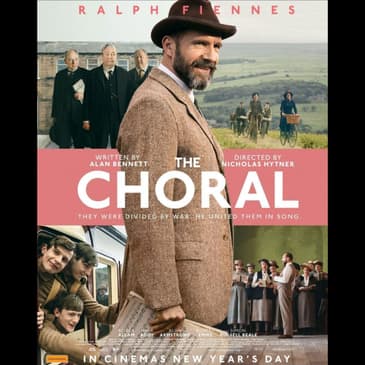
Listeners will be drawn into the lives of key characters, including Lofty, a young telegram boy tasked with delivering devastating news, and his friend Ellis, who harbors a crush on Bella, a choir member caught in a complicated love triangle. The return of Bella's boyfriend, Clyde, who has been forever changed by his experiences in the war, adds layers of emotional complexity to the story. Chris and Jessica discuss how the choir, funded by the local mill owner Alderman Duxbury, becomes a vital thread that binds the community together, even as they face the harsh realities of war.
The hosts delve into the arrival of Dr. Henry Guthrie, the new choir master with a controversial past, whose bold choices challenge the townspeople to confront their grief head-on. The decision to cast Clyde in a lead role serves as a poignant reminder of the war's toll, while the film's rich supporting characters, including a conscientious objector and a grieving father, add depth to the narrative.
With standout performances from Ralph Fiennes as Dr. Guthrie and Roger Allam as Alderman Duxbury, the film captures the emotional landscape of a community in turmoil. The meticulous attention to period detail immerses viewers in the atmosphere of 1916, creating a vivid backdrop for this heartfelt story of connection and hope.
With a score of 7 out of 10, this episode invites listeners to reflect on the timeless themes of loss, community, and the resilience of the human spirit. Join Chris and Jessica as they unpack the moving journey of *Choir of Hope*, a film that resonates with the challenges of our own fractured world.
https://www.bitesz.com/podcast/movies-first
Become a supporter of this podcast: https://www.spreaker.com/podcast/movies-first.
To access the Movies First reviews archive visit our website at www.bitesz.com/podcast/movies-first
To access the Movies First reviews archive visit our website at www.bitesz.com/podcast/movies-first
This episode includes AI-generated content.
Okay, so here's something to think about. In nineteen sixteen, while the world was consumed by the deadliest war it had ever seen, a small Yorkshire town found its sense of hope and community in the most unexpected place a choir. It's a story about music, yes, but also about survival, resilience and the human spirit. That's such a striking contrast, isn't it. A choir, something so peaceful and harmonious set against the chaos of World War One. It's like this little pocket of humanity trying to hold itself together while everything else is falling apart exactly. And what makes it even more compelling is that this isn't just a story about music. It's about the people in this fictional town of Ramsden, their relationships, their grief, and the way they're all connected through this choral society. The choir becomes this metaphorical glue holding the community together. And it's not just any choir, right, It's funded by Alderman Bernard Duxbury, the local mill owner who employs a huge portion of the town, So there's this immediate sense of hierarchy and dependence. The choir isn't just a cultural activity, it's tied to the town's identity and survival. That's right, and the timing couldn't be more fraud It's nineteen sixteen. The war is raging, and the town is losing its young men to the front lines. Families are grieving, and the community is grappling with this overwhelming sense of loss. Yet amidst all this, the choir is still holding auditions, still trying to carry on. And that's where we meet some of the key characters, isn't it Like Lofty, the seventeen year old telegram boy. His job is to deliver the worst possible news, death notices to families who've lost loved ones in the war. Can you imagine the emotional toll of that. It's unimaginable, And yet Lofty still finds the energy to audition for the choir with his best friend Ellis. They're both just seventeen, on the brink of adulthood, and they're trying to hold on to this one thing that feels normal and hopeful before they're inevitably swept up in the war themselves. And Ellis, of course, brings his own set of complications. He's got a not so secret crush on Bella another member of the choir. But Bella's in a complicated spot herself because her boyfriend Clyde has just returned from the Western Front and he's not the same person he was when he left. Clyde's return is such a pivotal moment. He's lost an arm in the war, and that alone would be enough to change anyone. But then there's the emotional toll, the trauma of what he's been through, and the fact that Bella never expected him to come back at all. It's this incredibly layered, messy situation. And then, just when you think the choir couldn't possibly handle more upheaval, their respected choir masters signs up for the war effort. That leaves them scrambling to find a replacement. And who do they land on? Doctor Henry Guthrie, a brilliant, highly skilled choir master, but with a catch. Oh and it's a big catch. Doctor Guthrie's career has flourished in Germany, which in nineteen sixteen is a pretty hard pill to swallow for a community that's literally at war with Germany. His arrival immediately stirs up tension and people are understandably wary of. Him, but what's so fascinating about Guthrie is that he's not just some outsider with a questionable past. He's also dealing with his own personal struggles. He's gay, for one, and his partner is off fighting in the war, so he's carrying this private grief and longing while trying to navigate a community that's skeptical of him. And yet, despite all the tension, Guthrie dives right in and starts whipping the choir into shape. He chooses Edward Elgar's The Dream of Gerontius for their next performance, which is such a bold and meaningful choice. It's a piece about the death of an old man and the journey of his soul, basically a meditation on mortality, which, of. Course hits incredibly close to home for this community. They're losing young men, not old ones, but the themes of loss and the afterlife resonate deeply. And then Guthrie makes another bold move. He gives the lead role to Clyde, the young man who's just returned from the war with one arm. That decision is bound to stir up mixed emotions, isn't it. On one hand, it's a powerful gesture giving Clyde a sense of purpose and a way to process his trauma. But on the other hand, it's a constant reminder to everyone else of the war's toll. It's like Guthrie is forcing the community to confront their grief head on. And that's what makes the story so compelling. It's not just about the music. It's about the relationships, the tensions, the way the choir becomes this microcosm of a world at war. Even the supporting characters add so much depth, like the pianist who's a conscientious objector. He's standing by his principles in a time when that's incredibly dangerous. Or Alderman Duxbury, the mill owner and choir benefactor. He's lost his only son to the war and his wife is drowning in grief. He's this figure of authority and strength, but you see these cracks in his facade, this vulnerability that makes him so human. And then there's the romantic subplots, which add their own kind of drama. Ellis is pining after Bella, who's torn between him and Clyde. Another member of their circle has a thing for Mary. The Salvation Army officer with the golden voice, It's messy and complicated, but that's what makes it so real. And let's not forget the performances. Ralph Fiends as Doctor Guthrie. He's just phenomenal. He brings so much depth and nuance to the role, balancing Guthrie's brilliance with his vulnerability. And Roger Allam is Alderman Duxbury. He transitions so beautifully from this pillar of strength to someone deeply affects did by loss. The attention to period detail is also worth mentioning the production design, the costumes, the way they capture the atmosphere of nineteen sixteen. It's all so immersive. You really feel like you're there in this small Yorkshire town grappling. With the weight of the war, and yet for all its heaviness, there's also this undercurrent of hope and resilience. The choir becomes this beacon of light, this reminder that even in the darkest times, people can come together and create something beautiful. That's what makes the story so timeless, isn't it. It's about loss, yes, but it's also about connection, about finding ways to move forward, and the choir becomes this perfect symbol of that. It's the glue holding these fractured lives together. So final thoughts for me, it's a solid seven out of ten. It's not perfect, but it's deep, moving, beautifully acted, and it leaves you with a lot to think about. Same here, it's the kind of story that stays with you. It's about grief, yes, but also about the power of community and the resilience of the human spirit. And in a world that often feels just as fractured as nineteen sixteen Ramsden, that feels pretty relevant. You've been listening to movies first available at Apple Podcasts, Spotify, iHeartRadio, or your favorite podcast player. You can also stream on demand at bytes dot com. This has been another quality podcast production from bites dot com.